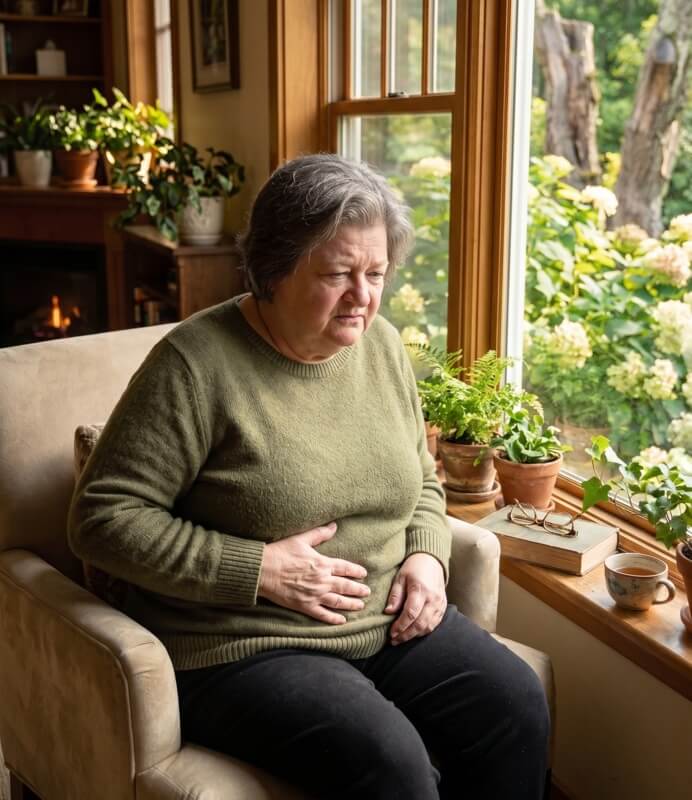
While millions of people blame their gut problems on age, one of the country’s leading experts has decided to speak out about the issue.

Dr. Margaret Whitfield, MD
Director of Gastroenterology · Cleveland Medical Research Institute
38 years of practice ·
14,000+ patients supported
But last month, Dr. Whitfield agreed to sit down with our team for an exclusive on-the-record interview — and what she revealed has the medical establishment quietly furious.
"I've stayed silent for too long," she told us. "Americans over 45 are dying — slowly — from problems that start in the gut, and 90% of my colleagues are still addressing the wrong thing. They're focusing on the symptom. They've never looked at what's actually coating the inside of your intestines."
I'll never forget the autopsy I performed in 2019
Dr. Whitfield leans forward, choosing her words carefully.
"He was 58 years old. A construction foreman from Akron, Ohio. Married, three grown kids, six grandkids. He'd been dealing with what his family doctor called 'normal aging' — bloating, irregular bowels, low energy, brain fog. Nothing alarming on paper."
"He took fiber supplements. Drank his water. Followed every single thing his doctor told him for over 12 years."
"Then one Tuesday morning, his wife woke up to find him collapsed on the bathroom floor. By the time the ambulance arrived, he was gone. The official cause of death? Acute septic shock from a perforated colon."
She pauses.
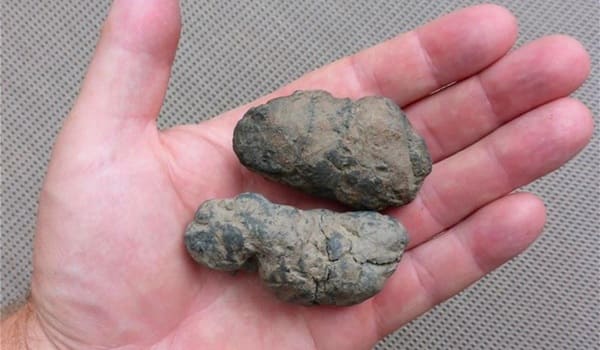
“During the examination, a colleague discovered over 19 pounds of compacted, blackened waste that had been accumulating on the walls of his colon for years. This was not ordinary stool, but dense layers that indicated long-term stagnation.”
“It was not a single episode of constipation that killed him, but a process that developed over years. The most terrible thing is that until the very end he didn't consider himself seriously ill.”
“The pressure was normal, his test results raised no particular concern, and the symptoms were attributed to age. But the problem developed imperceptibly for many years until it led to fatal consequences.”
The 12 Warning Signs Most Americans Over 45 Ignore
Tell me — how many of these sound like you?
- 01Bowel movements less than once a day — even when you "feel like you should go"
- 02Hard, dry, pellet-like stools that take real effort to pass
- 03Bloating that gets worse as the day goes on — your belt feels tighter at dinner than at breakfast
- 04The need for strong straining during defecation, which causes pressure surges and pain
- 05A feeling of heaviness and incomplete emptying of the intestines after visiting the toilet
- 06Frequent passing of gas with a sharp putrid odor
- 07Constant morning fatigue, apathy and brain fog due to toxin buildup
- 08Dull, dragging pain in the lower back and sacrum caused by pressure from an overfilled intestine
- 09Sudden intolerance to familiar foods (fresh vegetables, fruits, milk), which causes cramps
- 10Persistent bad breath and a thick coating on the tongue
- 11Unexplained weight gain and accumulation of fat in the abdominal area along with a slowing metabolism
- 12Sudden appearance of dry skin, dull complexion or rashes
If you said yes to three or more, Dr. Whitfield warns, "I want you to keep reading. Because what's happening inside you is far more serious than your doctor has told you."
Three faces of the same hidden enemy



The Patients I'll Never Forget
Dr. Whitfield, can you share what you've actually seen happen to people who don't address this in time?
"I'll share two cases. I won't use real names. But every detail is what actually happened."
Case №1 · "Carol" — Cleveland, OH. Age 61.
Carol, a retired teacher and mother of three sons, one of whom is a paramedic, complained of “stubborn constipation.” She had been taking over-the-counter laxatives daily for seven years, while her family doctor had only advised more water and vegetables.
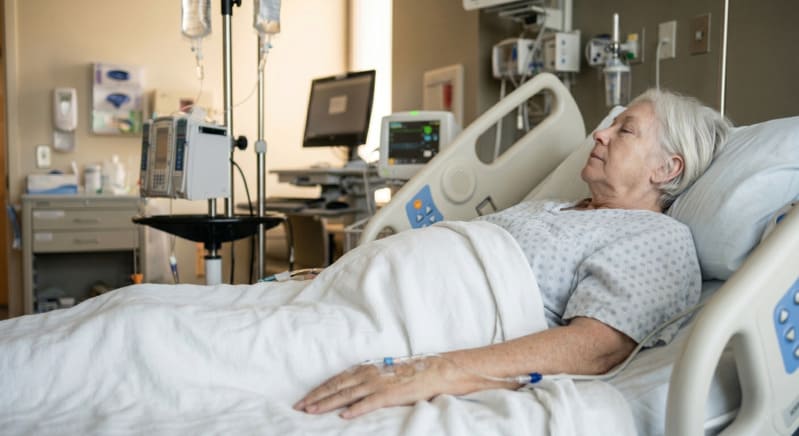
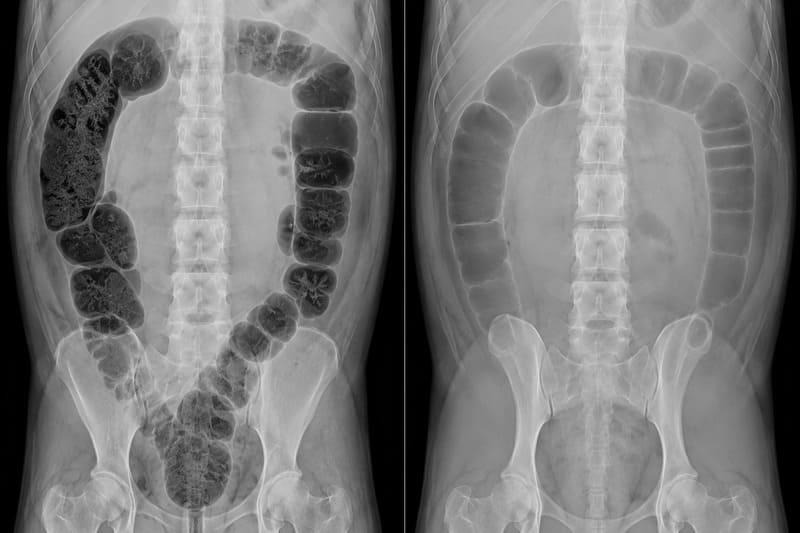
When she was examined, her colon was critically distended and filled with hardened masses that looked like “concrete” on an X-ray. They found about 14 pounds of blocked waste and diverticula in the intestinal wall, where the contents had accumulated and bacteria had grown.
Case №2 · "Robert" — Tulsa, OK. Age 54.
A truck driver who had never complained about anything was rushed to the emergency room after two days of severe abdominal pain. His wife thought it was appendicitis, but doctors discovered a much more dangerous condition — septic shock due to a perforated colon. Bacteria had penetrated the intestinal wall into the bloodstream, and his chances of surviving the night were less than 30%.

He survived, but at the cost of serious consequences: 23 days in intensive care, irreversible kidney damage and the end of his career. His wife had to take a second job to support the family. He himself admitted: “I thought my stomach hurt because of fast food. I never imagined that a simple stomach ache could send a 54-year-old man to intensive care.”
"And here's the part that should make every American furious," Dr. Whitfield says, voice hardening. "None of this gets discussed at your annual physical. Not one bit of it."
Why Has Nobody Told You This Before?
Doctor, why isn't this a national health emergency?
Dr. Whitfield sighs. "I've been asking that question for 25 years. The honest answer? There's no money in solving the root cause."
“The U.S. market for stomach remedies is worth more than $1.4 billion a year. Teas, pills, and suppositories are all designed to do one thing: temporarily relieve symptoms. They don't fix anything. They just provide short-term relief — and keep you coming back for more.”
And that's exactly what Big Pharma wants. A customer who needs your product every single day for the rest of their life is a much better customer than one who actually gets fixed.
"Walk into any CVS or Walgreens. Look at the digestive aisle. You'll see 40 different brands of laxatives. Some of them have been around since the 1950s. Why hasn't anything actually been solved in 70 years?"
"Because the goal was never to solve it."
"Most people are only told to manage the symptom, not what's underneath it. That's the part we focus on."
The Hidden Enemy: What's Actually Happening Inside Your Gut
So what IS coating the inside of people's intestines? What did your colleagues miss?
"Two words," Dr. Whitfield says. "Methanogenic biofilm."
"Most people — even most doctors — don't understand what this is. So let me explain it the way I'd explain it to my grandmother."
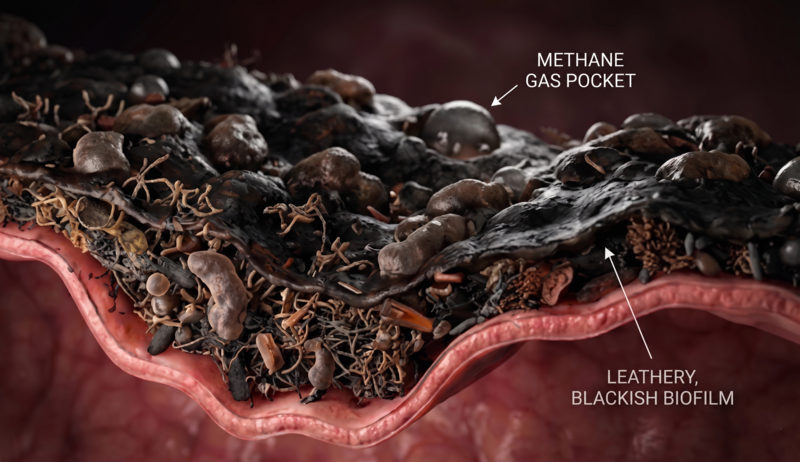
Trillions of bacteria live in the large intestine, but after age 40, especially with frequent antibiotic use or a high intake of processed foods, methane-producing archaea can begin to dominate. They form a sticky matrix that adheres to the intestinal walls, trapping waste and dead cells and, over time, forming dense layers.
"These methane producers don't just live in your gut. They build a fortress."
Here's why this destroys you:
1. Disrupts intestinal function. Biofilm stiffens the intestinal walls, which weakens contractions and slows down the passage of contents.
2. Slows down peristalsis. Methane, which is produced by microorganisms in the biofilm, inhibits the smooth muscle of the intestine. The more methane, the slower the intestine works.
3. Promotes inflammation. By damaging the protective layer of the mucosa, biofilm facilitates the penetration of bacterial components and inflammatory substances, which can be associated with fatigue, discomfort, skin problems and other systemic symptoms.
This is why laxatives don't work. They might force waste through one time. But they leave the biofilm completely intact. The methanogens stay. The wall stays coated. Two days later, you're constipated again — and the damage keeps building.
The Real Chain Of Damage
Push waste through ONCE. Don't touch the biofilm. Problem returns in 48 hours.
Methanogenic biofilm coats the intestinal wall, traps waste, releases methane that paralyzes peristalsis.
"And then everything changed for me in 2021"
“For most of my career,” says Dr. Whitfield, “I didn’t have an effective way to help patients with biofilms: antibiotics had side effects, and the problem often returned.”
In 2021, she came across research on a combination of probiotic strains, prebiotic fibers, and plant-derived digestive enzymes that together target biofilms and methanogens and support normal gut function.
"They had built a precise combination — probiotic cultures, prebiotic fibers, plant-derived digestive enzymes, and polyphenol botanicals — that did three things at once: the enzymes broke down the polysaccharide matrix of the biofilm, the probiotics crowded out the methanogens without harming beneficial bacteria, and the prebiotic fibers stimulated natural intestinal contraction. A gentle formula suitable for daily use."
Introducing Gut2Be
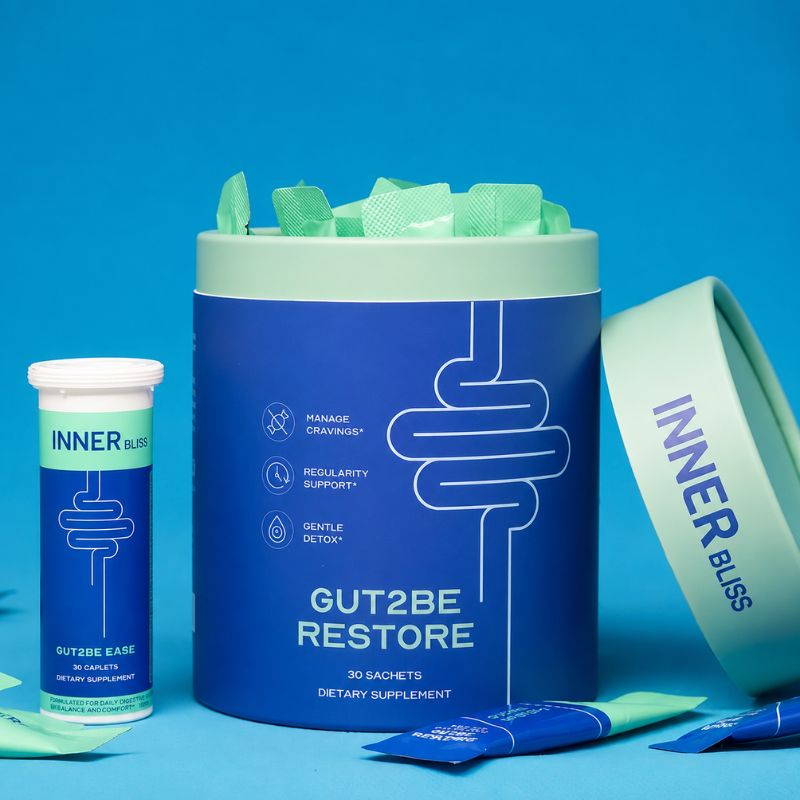
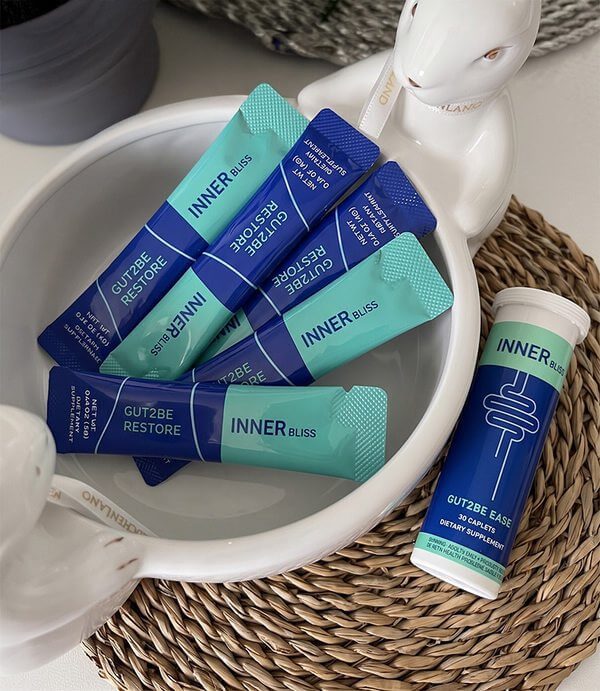
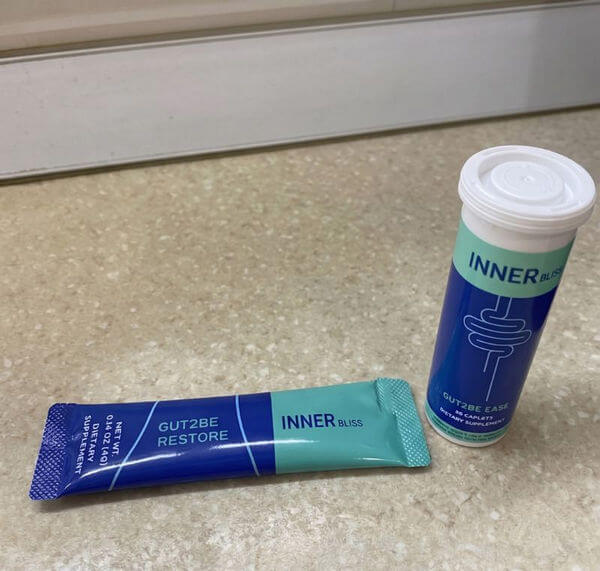
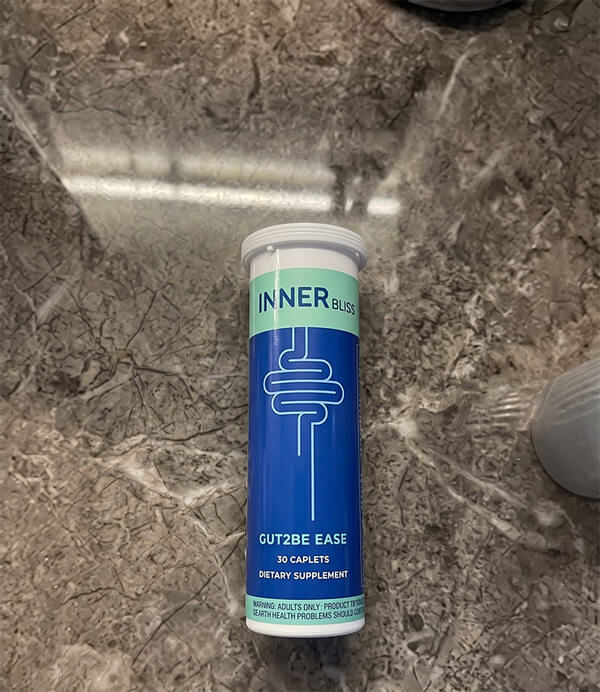
"The product they developed is called Gut2Be. It's a small-batch synbiotic-and-enzyme system — daily Restore sachets paired with digestive enzyme caplets — made exclusively in the United States, at an FDA-registered facility in Colorado. It's not sold in pharmacies or on Amazon — and that's intentional, for reasons I'll explain in a moment."
What sets Gut2Be apart from all the laxatives, teas or “cleansers” on the market:
Other laxatives
-
Contains chemicals
-
One-time effect
-
Aggressive effect on the intestine
-
Single-dose relief
-
High price
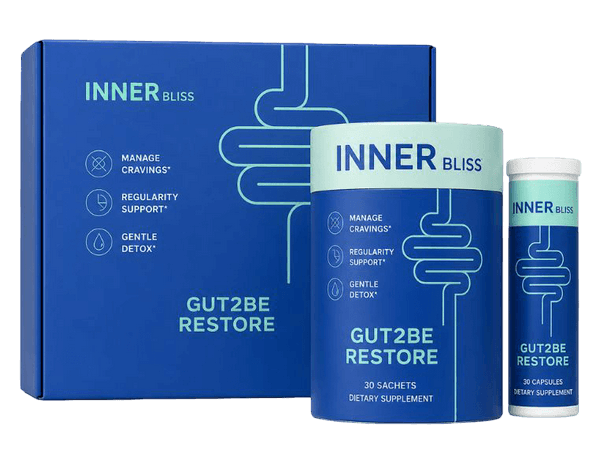
Gut2Be
-
100% natural ingredients
-
Long-term effect
-
Mild effect on the intestine
-
Formulated for daily use
-
Affordable price
How does a patient actually use it?
"Beautifully simple. That was important to us."
- 01Tear open one Restore sachet and stir it into a glass of water, juice, or a smoothie first thing in the morning. No scooping, no measuring.
- 02Take one digestive enzyme caplet with the heaviest meal of your day — the meal with the most fat or calories.
- 03 Repeat every day for the recommended course. Sachet in the morning, caplet with your big meal — that's the whole routine.
"You don't need to drastically change your diet or follow any complicated restrictions. Just take your sachet and caplet daily for the recommended course."
What's actually in it?
“This is a proprietary natural blend. These five ingredients do the important work against biofilm:”
Acacia & Prebiotic Fiber Blend (Inulin, FOS, GOS)
Feeds beneficial bacteria and stimulates natural bowel contractions. Restores regularity gently.

Plant Digestive Enzymes (Protease, Lipase, Bromelain, Papain)
Plant-derived enzymes that help break down the protein, fat and carbohydrate in the meal they’re taken with, supporting comfortable digestion.

Turmeric Root
Soothes the inflamed mucosa and calms the gut lining, easing bloating and discomfort as the biofilm breaks down.
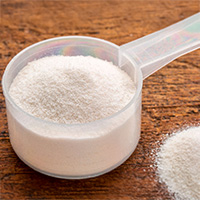
Probiotic Cultures (L. Rhamnosus & B. Longum)
Two live cultures — L. rhamnosus and B. longum — that support a balanced gut microbiome.
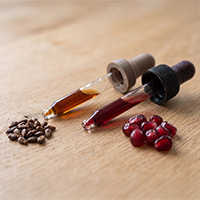
Grape Seed & Pomegranate Extract
Polyphenol antioxidants that support the body’s normal antioxidant defenses.
Every ingredient is sourced from organic suppliers in the US and Canada.
What My Patients Tell Me They Notice
"I always tell people: don't take my word for it. Listen to what your body tells you in the first three weeks."
Here's what my patients consistently report:
- ✓Waking up without that heavy, bloated feeling
- ✓Going to the bathroom every single morning, easily, no straining
- ✓That heavy, bloated feeling after dinner — gone
- ✓Real energy back, the kind they hadn't felt since their 30s
- ✓Skin that finally clears up — sometimes for the first time in decades
- ✓Going out to dinner without panicking about a bathroom afterward
- ✓Wearing a fitted shirt without sucking in their stomach
- ✓Playing on the floor with grandkids without feeling sluggish
- ✓Sleeping through the night without that 4 AM cramp
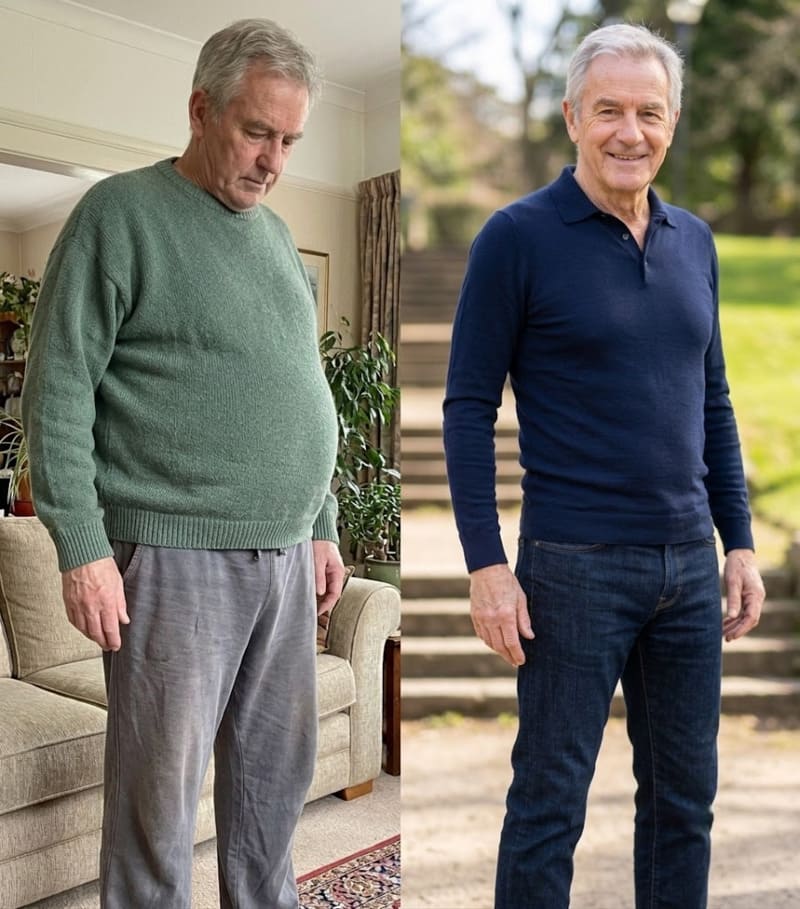
- ✓Catching themselves in the mirror and thinking, "I look like myself again"
What To Expect — Week By Week
Three Of Dr. Whitfield's Patients Speak

Patricia M., 62 — Houston, TX
Retired nurse, 30+ years on her feet
"I'd been dealing with this for almost fifteen years. I just thought that was my life — once-a-week bathroom trips, constantly bloated, low energy. A few weeks into taking Gut2Be, things started to feel different — more regular, way less bloated. I found myself relying a lot less on my usual go-tos. By week six, I felt lighter and more like myself than I had in years. I actually got a little emotional about it."

Frank R., 57 — Pittsburgh, PA
Steel mill supervisor
"Look, I'll be straight with you. I'm not a supplement guy. I drink coffee. But
my wife had me read this article last year because I was up to about a six-pack-a-week of stool softeners
and the doctor was talking about a colonoscopy."
"I started Gut2Be, expected nothing. Two weeks
later my afternoon brain fog — gone. Three weeks later I was going to the bathroom every morning like clockwork for the first time since my 40s. I just call it relief."

Latisha B., 54 — Atlanta, GA
Office manager, mother of three
"The bloating after eating was so bad that I unzipped my pants in the car on the way home from work. I started Gut2Be in October. By Thanksgiving I ate a normal-sized plate, didn't feel like a balloon afterward, and went to the bathroom the next morning without thinking about it. My husband said I seem like myself again. That’s the only way I can describe it."
One last question, Doctor. Why isn't Gut2Be sold in pharmacies or on Amazon?
"Two reasons. First, the manufacturer made a deliberate decision to keep distribution direct-to-consumer to control quality and prevent counterfeits — which are a massive problem with herbal products on Amazon. Second, and I'll say this honestly: if Gut2Be sat on the shelf at CVS next to laxatives, the laxative companies would have lawyers in the building within 48 hours. So the manufacturer chose to stay independent, sell direct, and protect the formula."
"My recommendation to anyone reading this who's been silently suffering — don't wait until you're Carol or Robert. Order Gut2Be now while it's still in stock. The discounted batch sells out quickly every month."
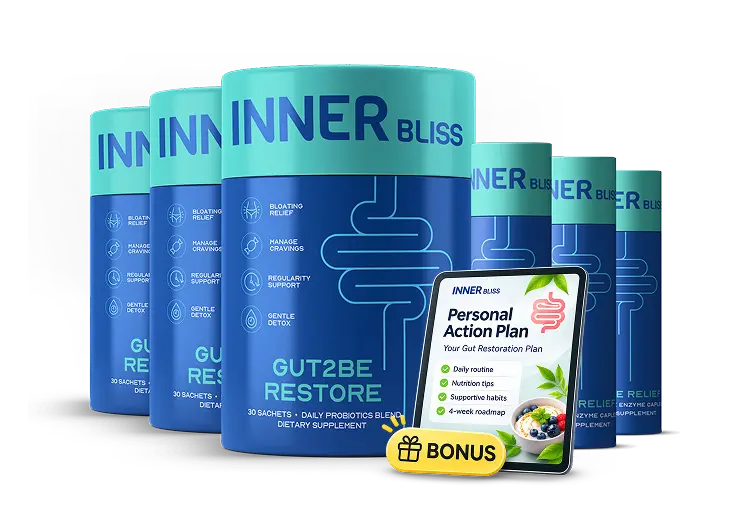
Whitfield's Recommended Formula
Get Gut2Be
60% OFF Today
Packages are still available as of
Order Gut2Be Now — 60% OFF →
















Karen S.
2 days ago
I'm 58 and I have literally every single one of those 12 symptoms. Every. Single. One. I've been telling my doctor for years and she just keeps saying "drink more water." I just ordered Gut2Be, fingers crossed.